Parrotia persica Tree
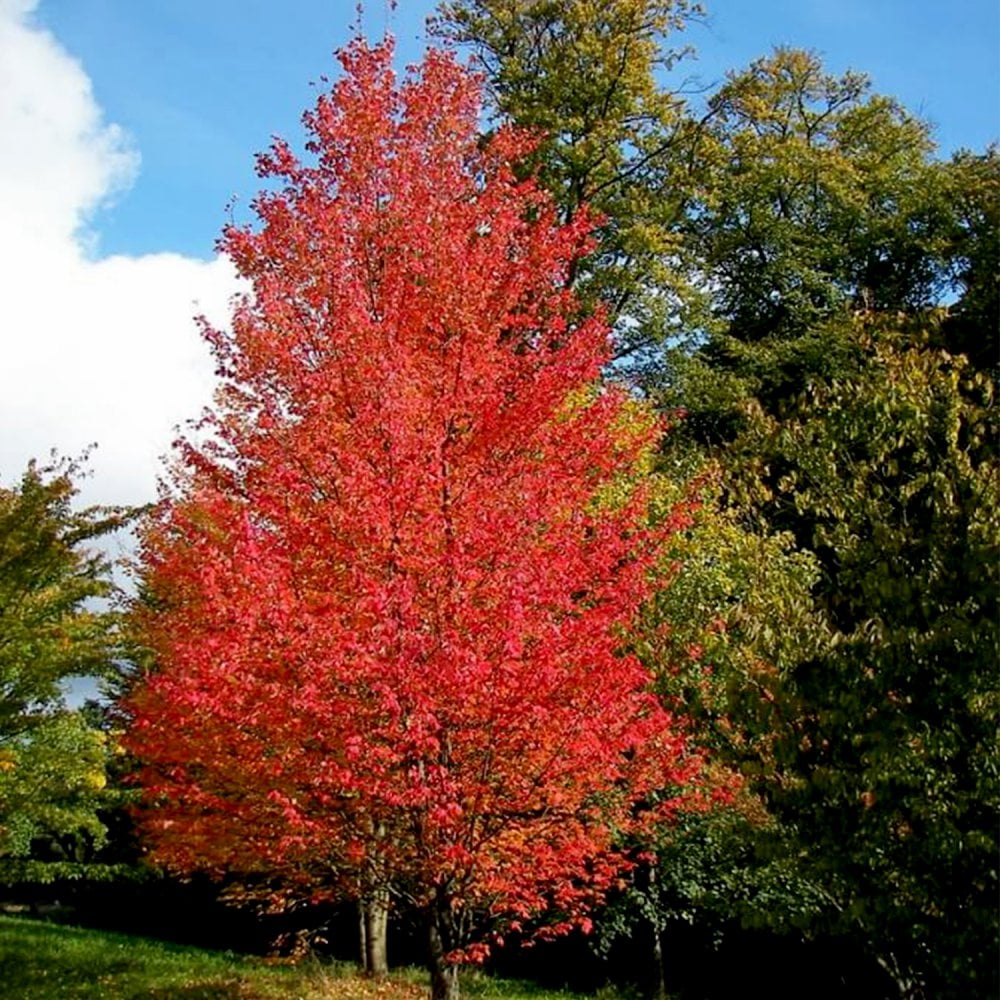
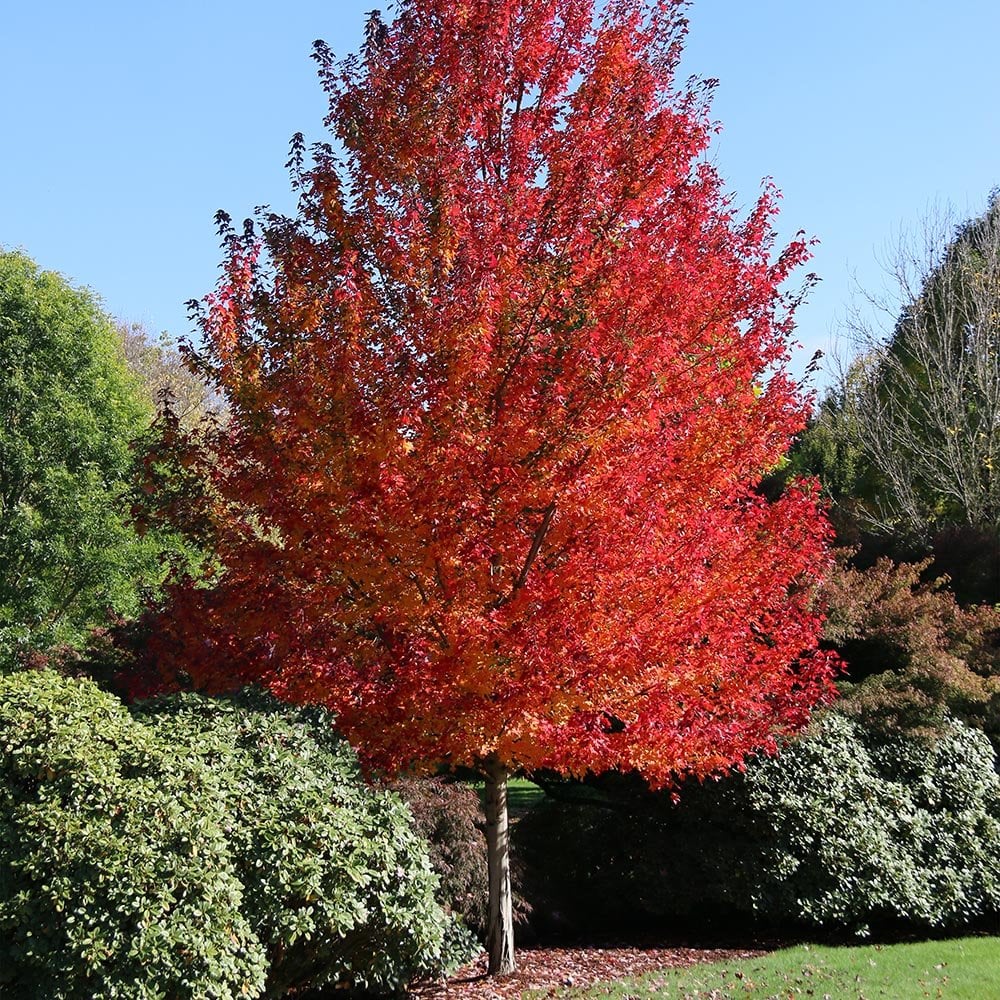
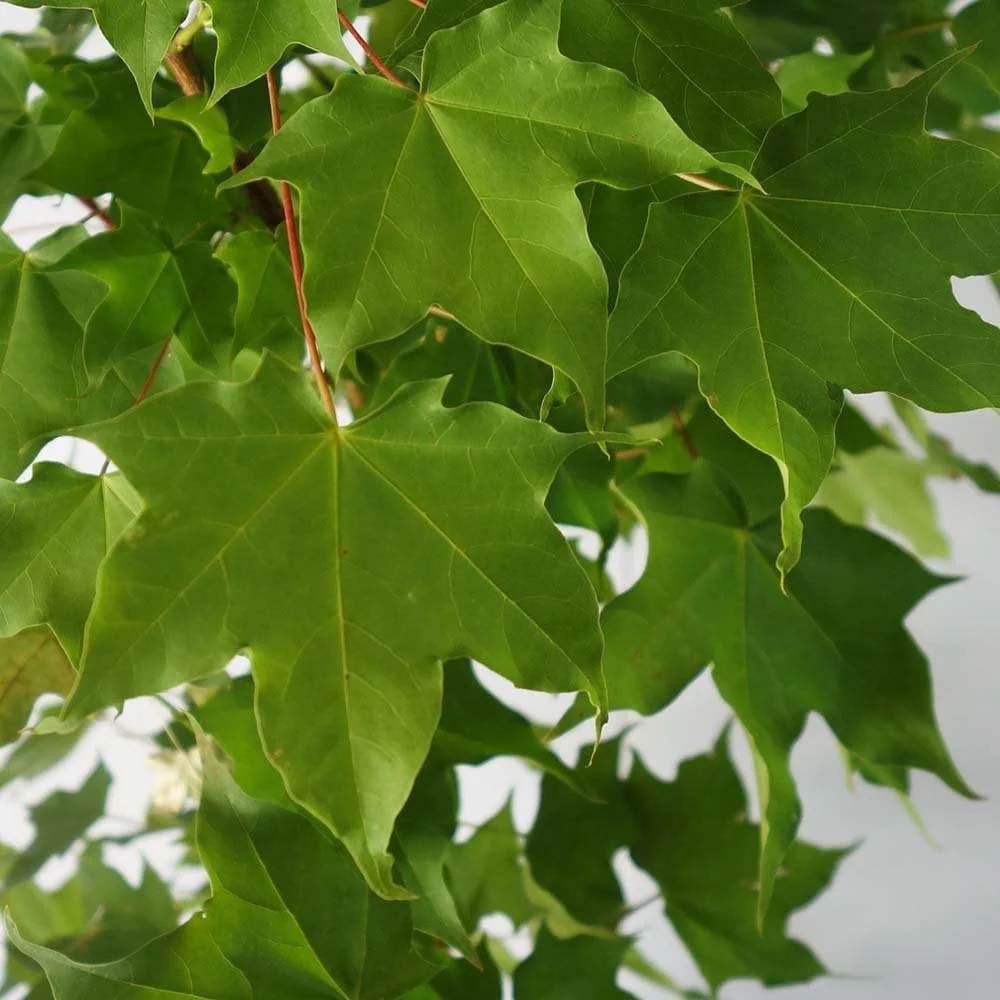
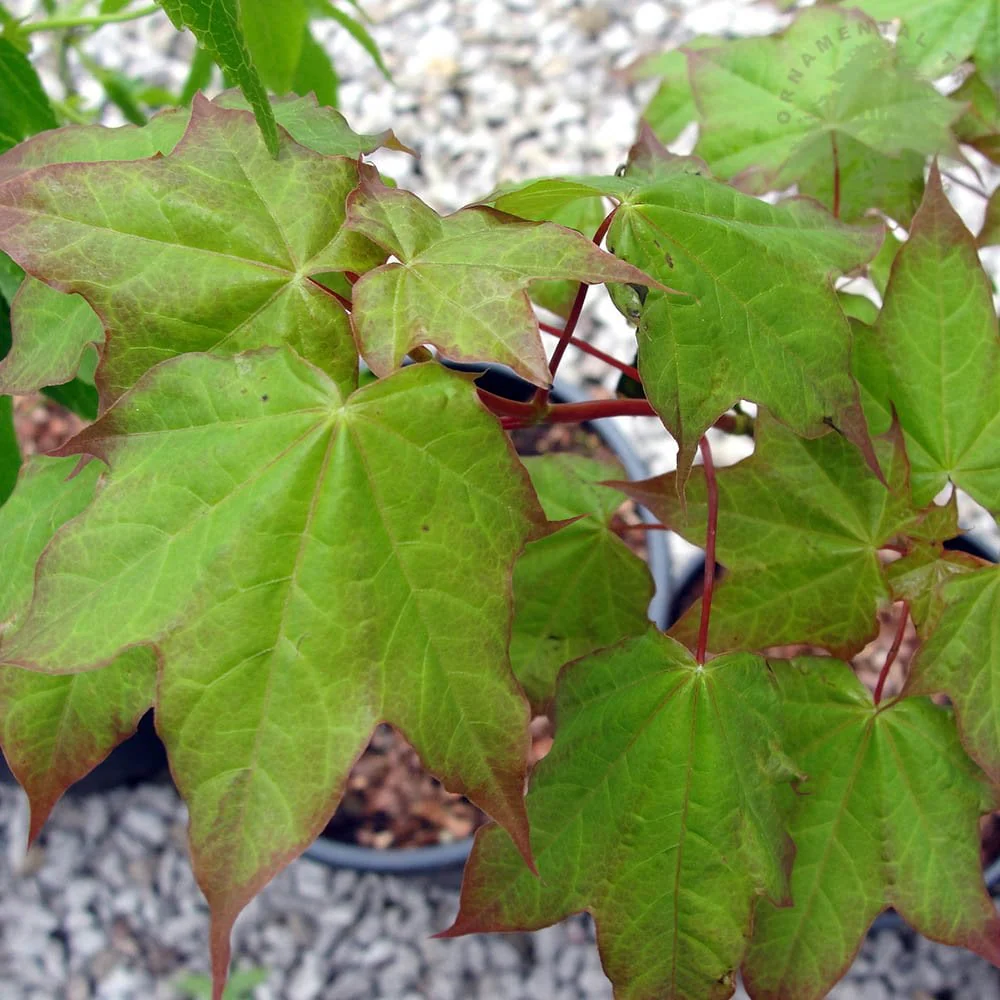
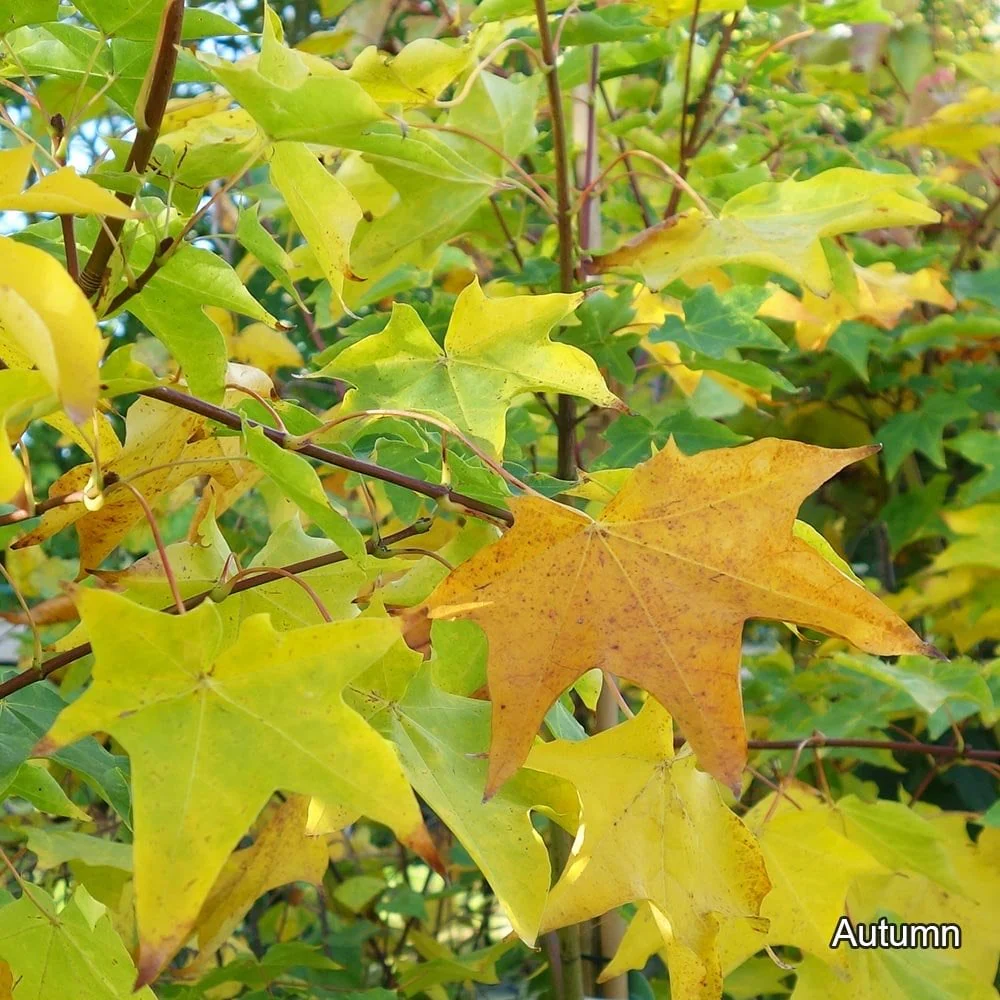
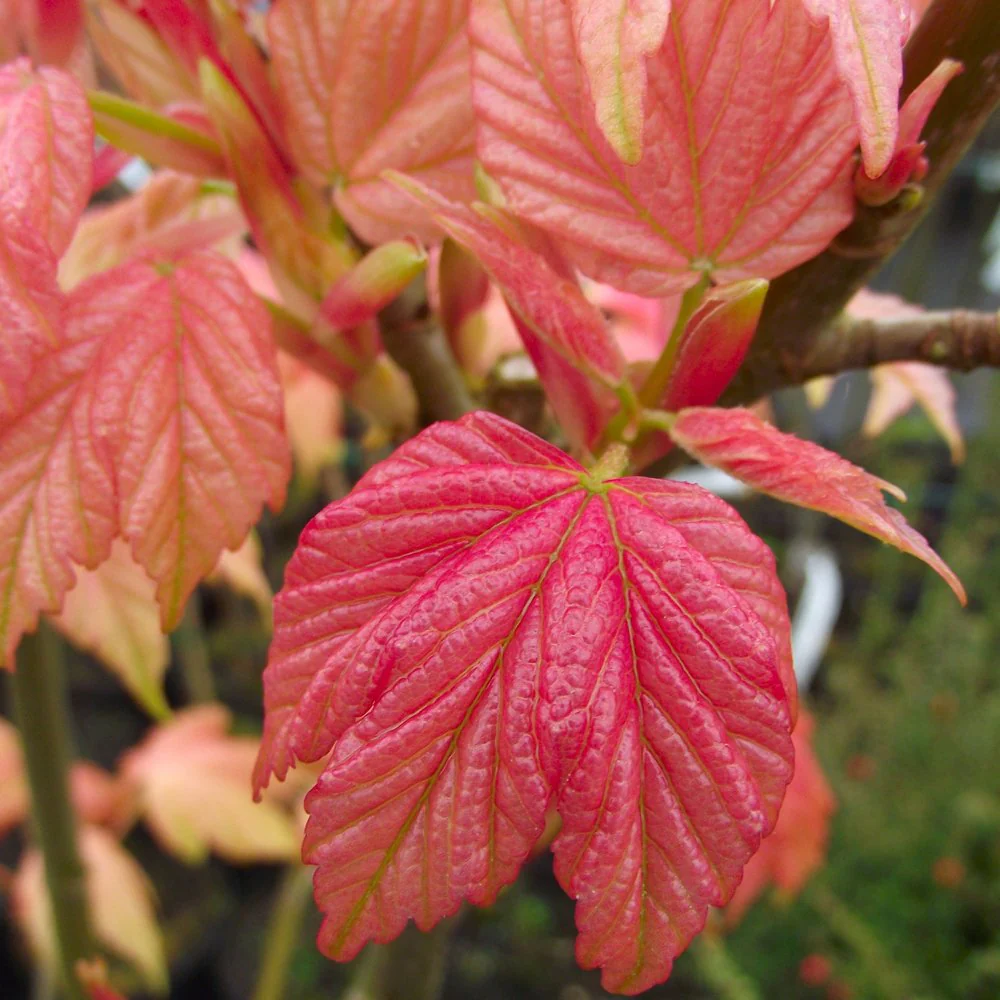
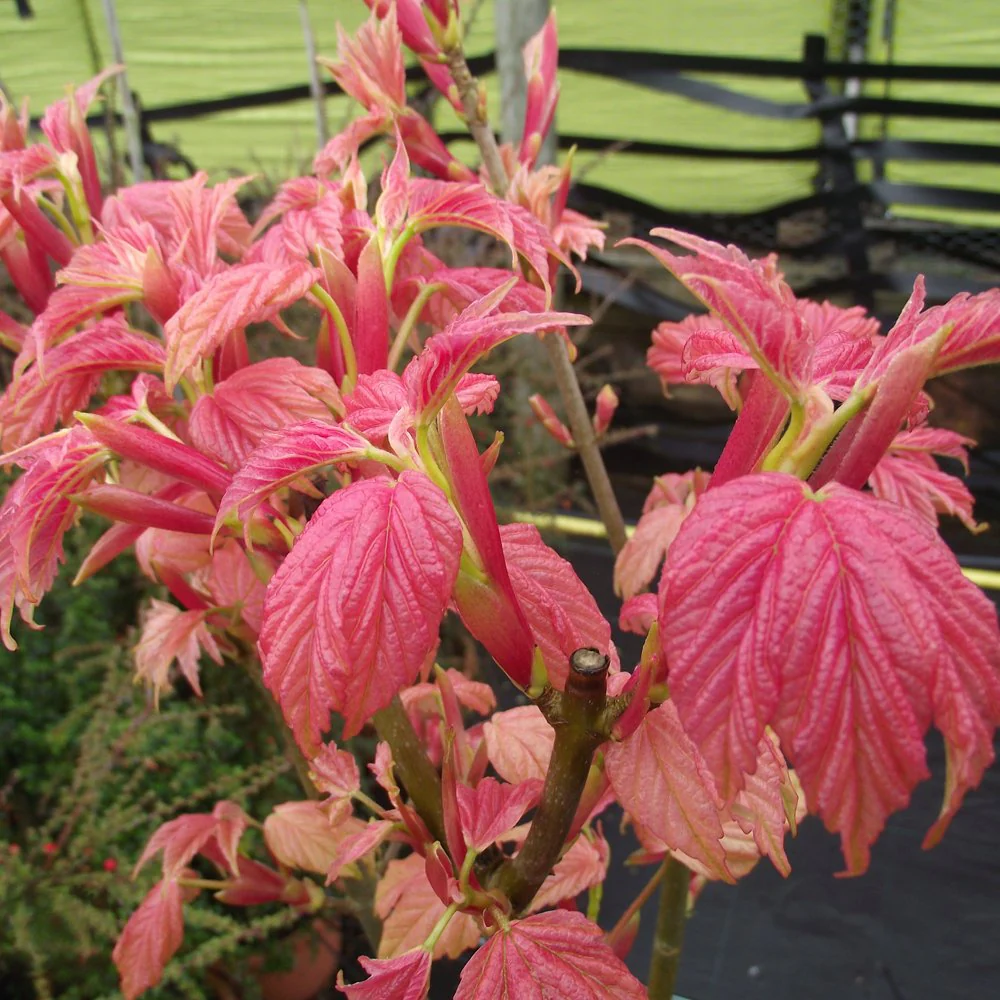
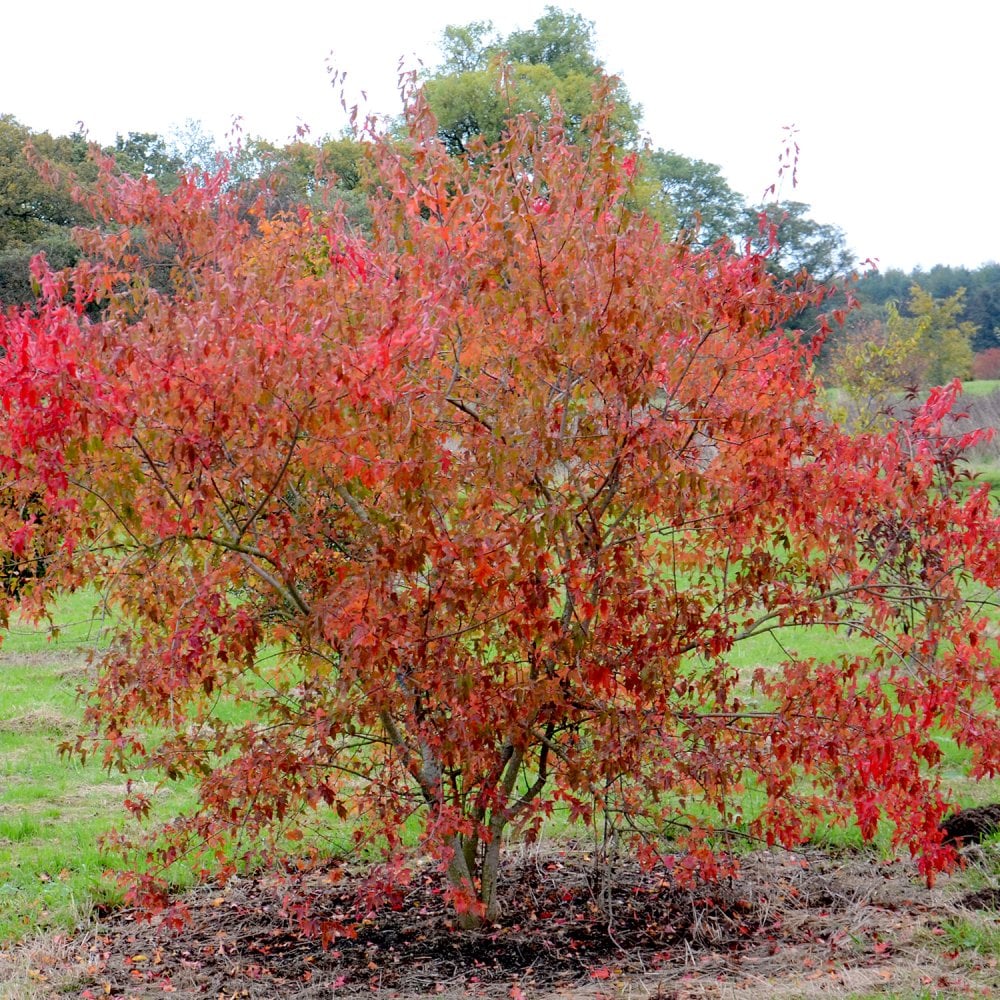
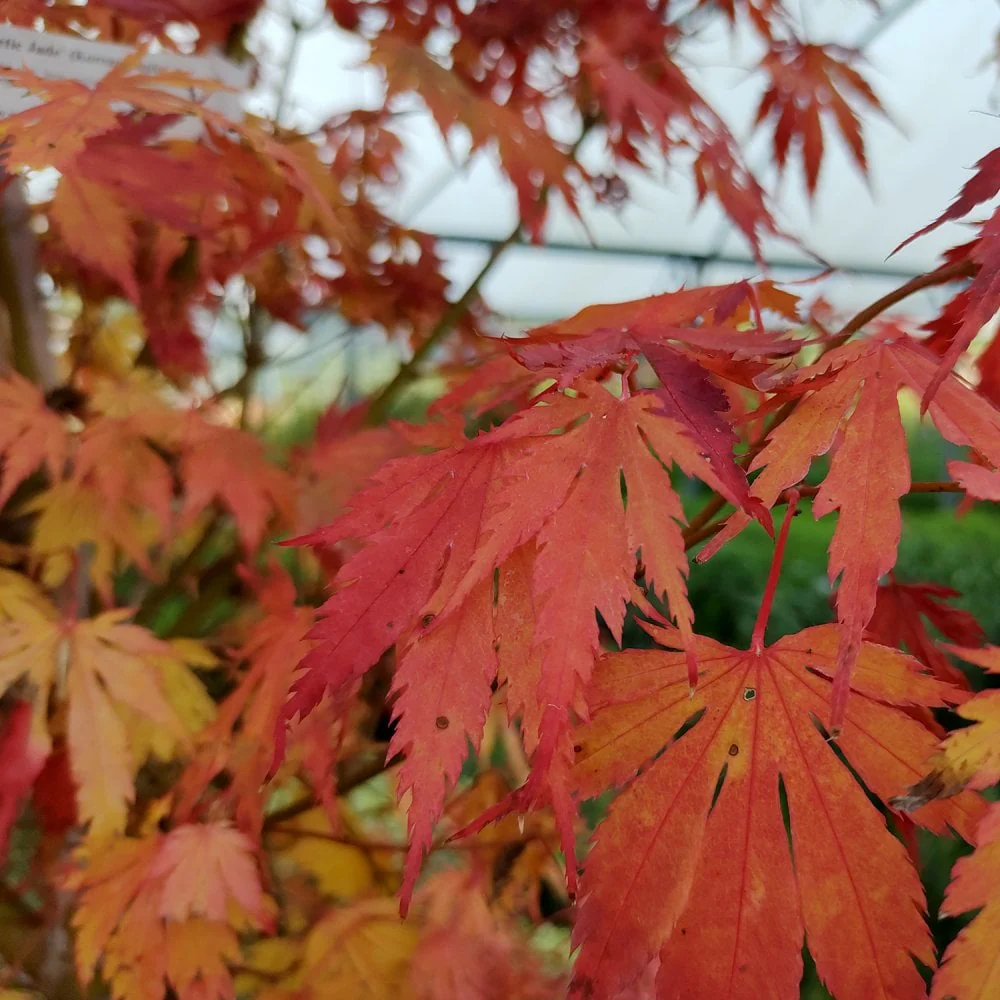
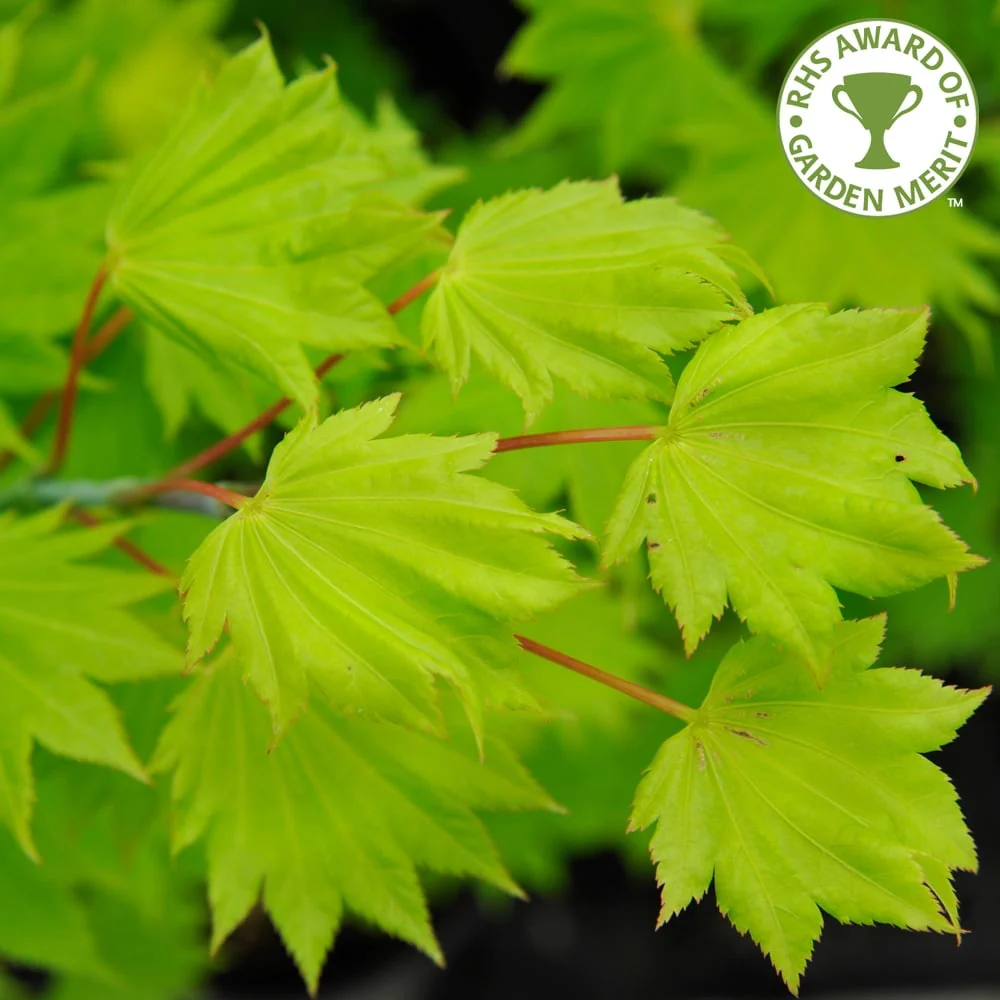
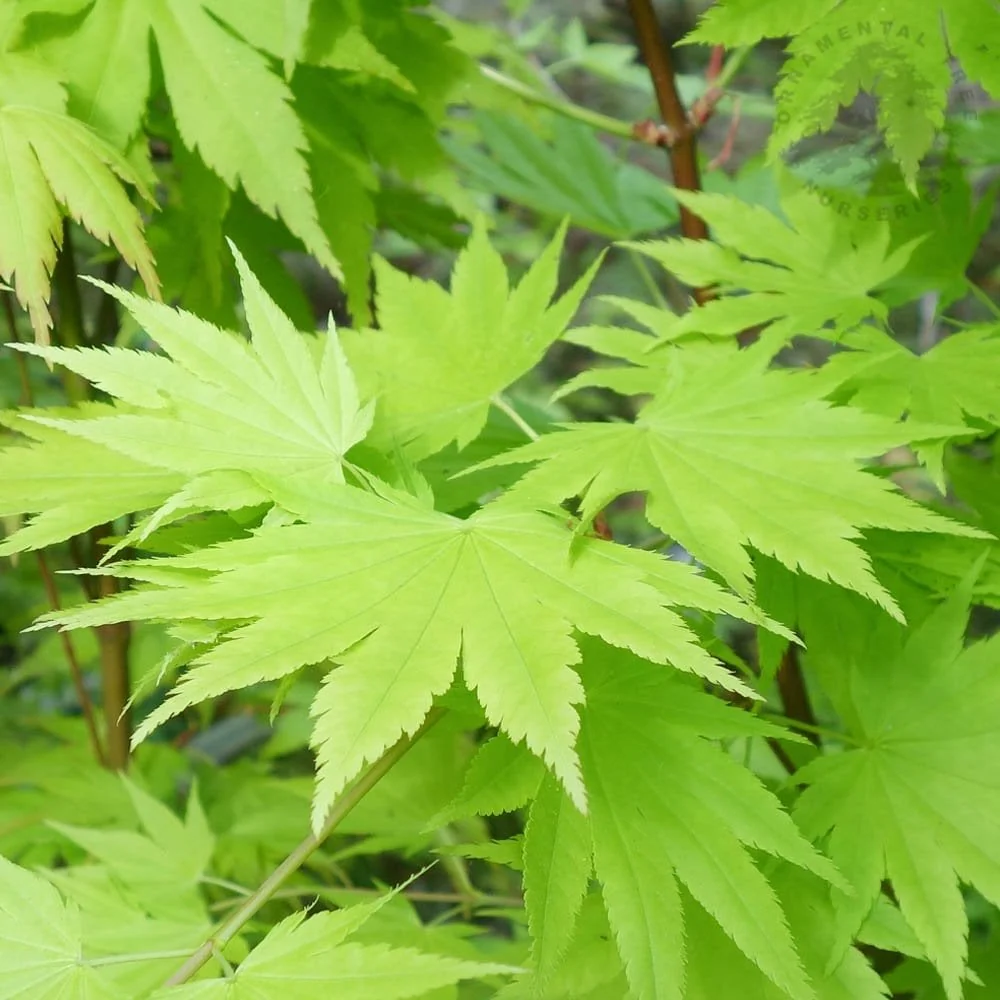
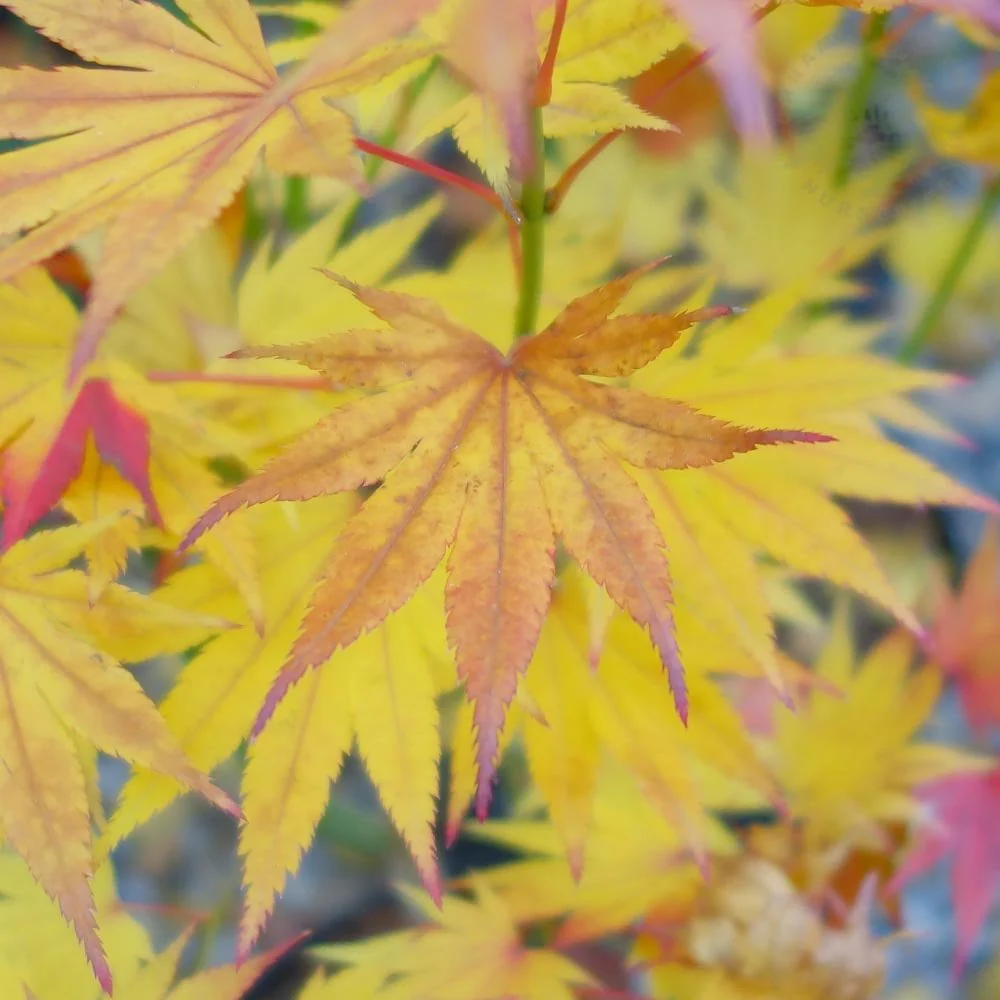
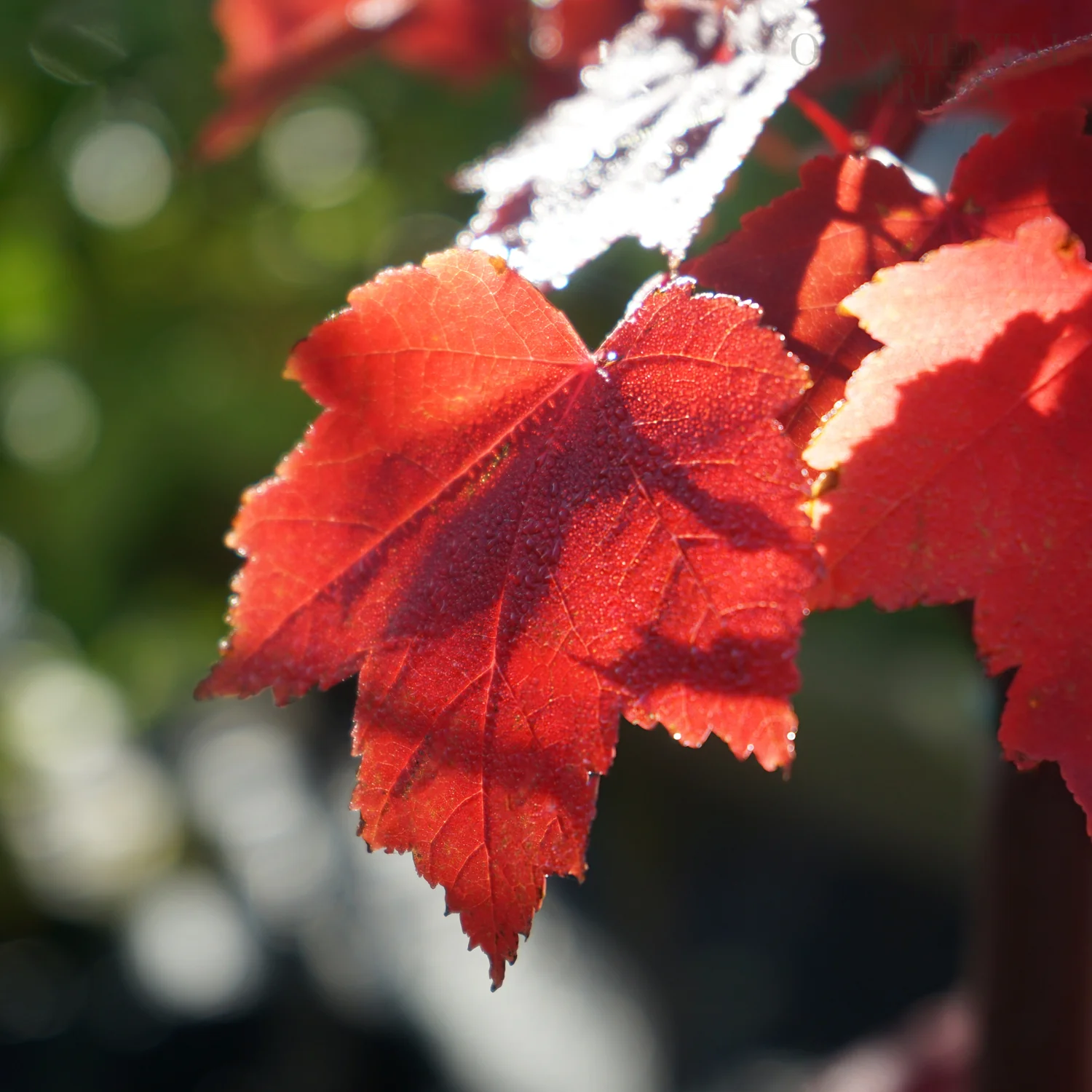
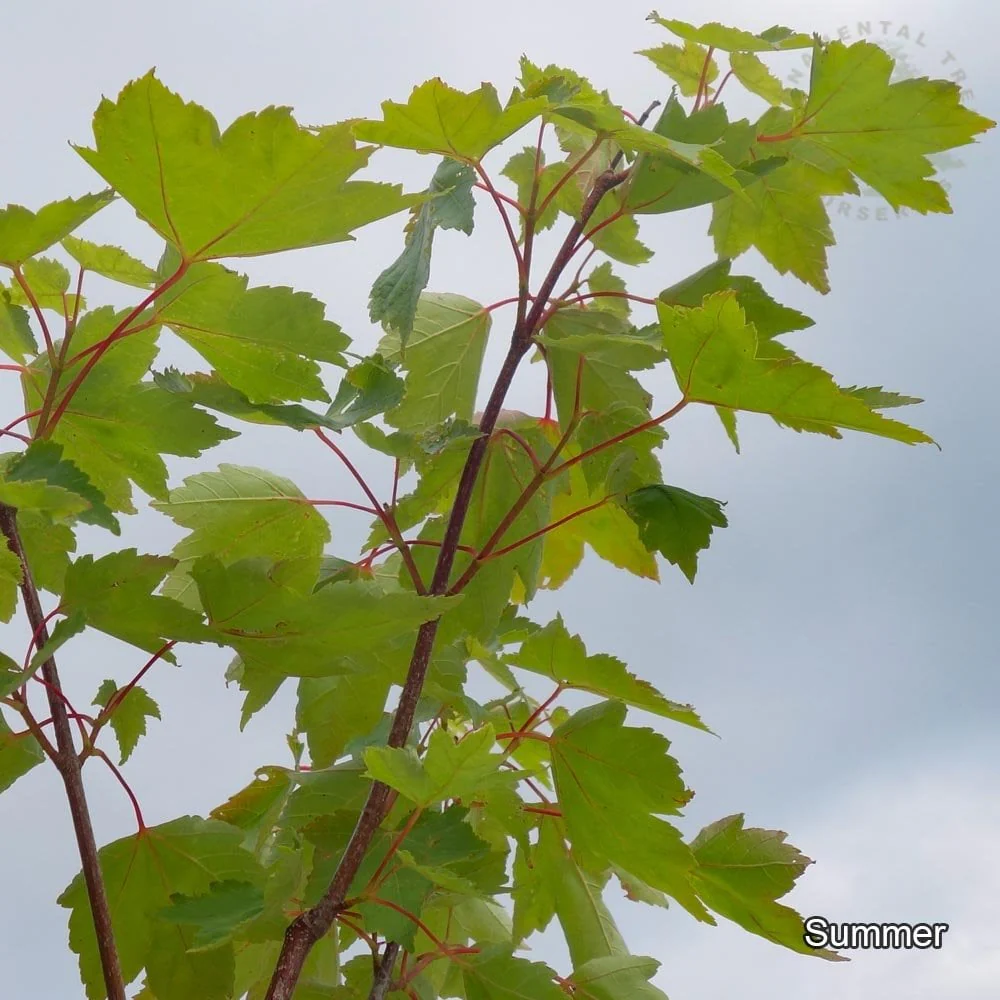
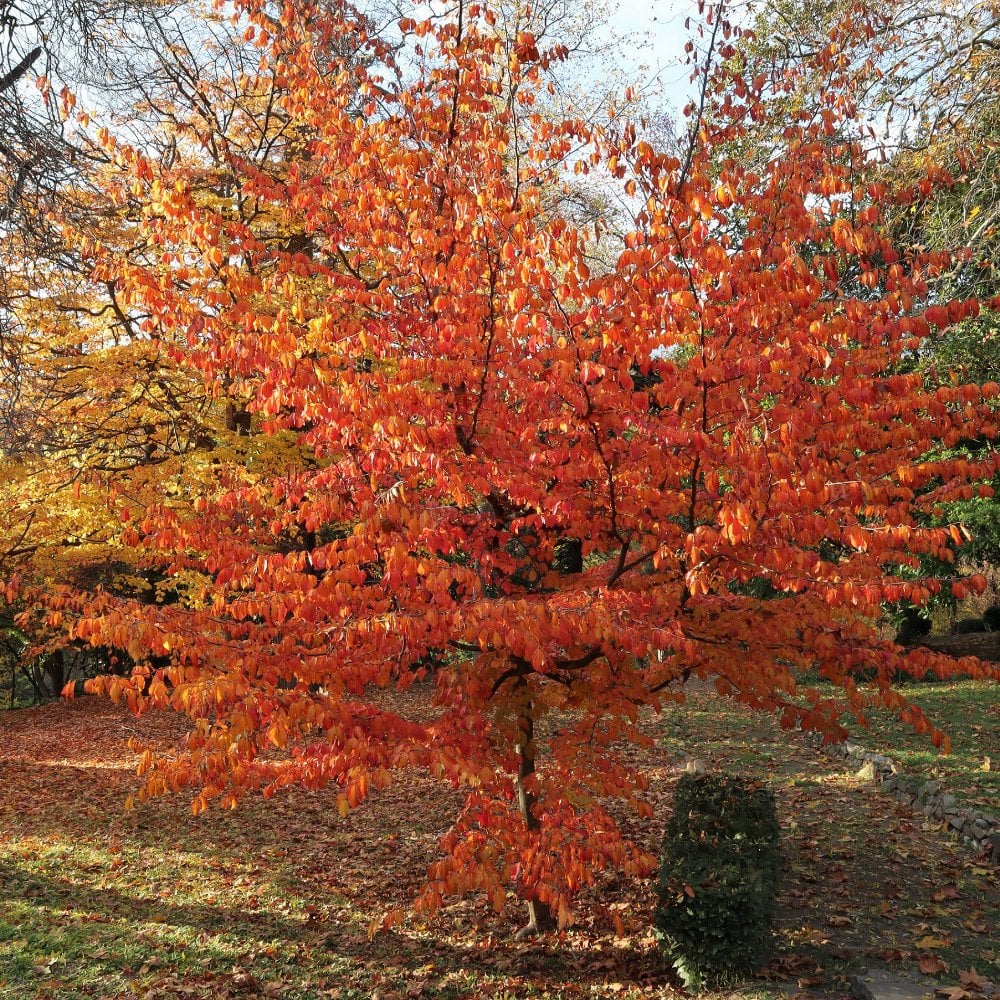
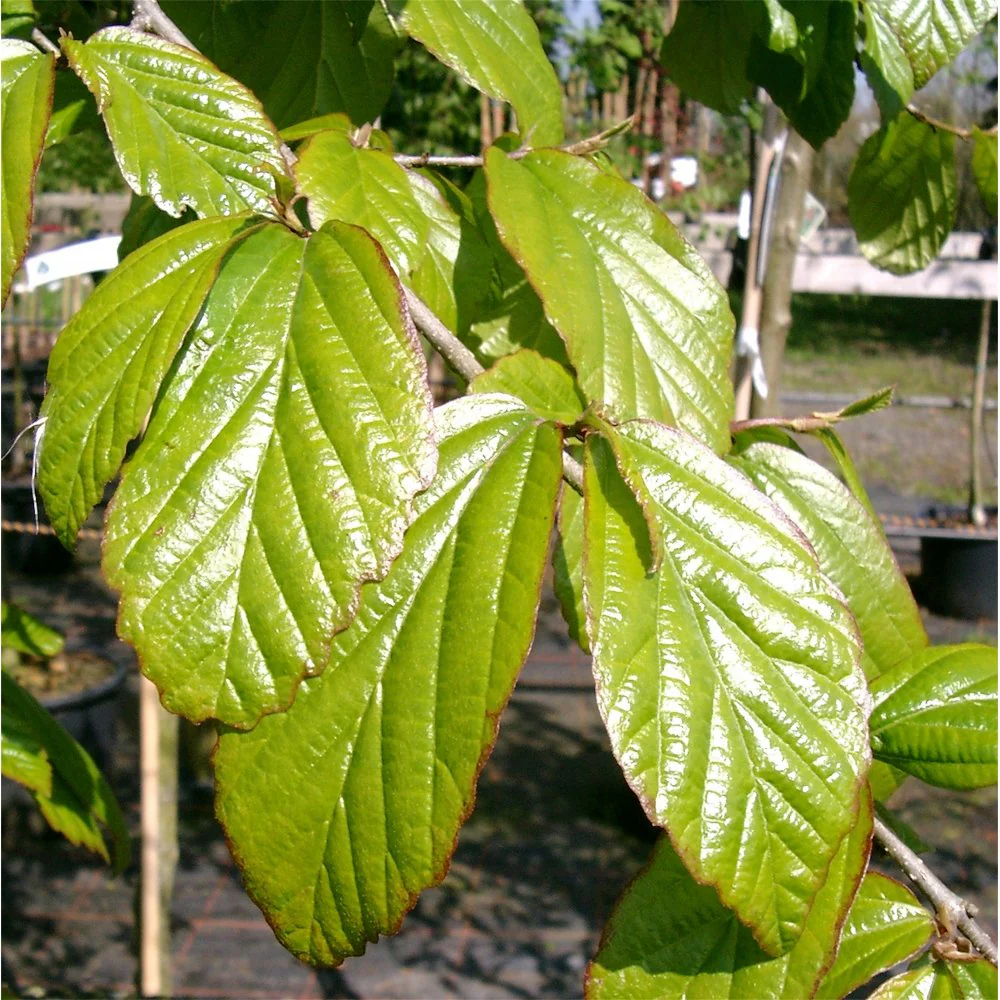
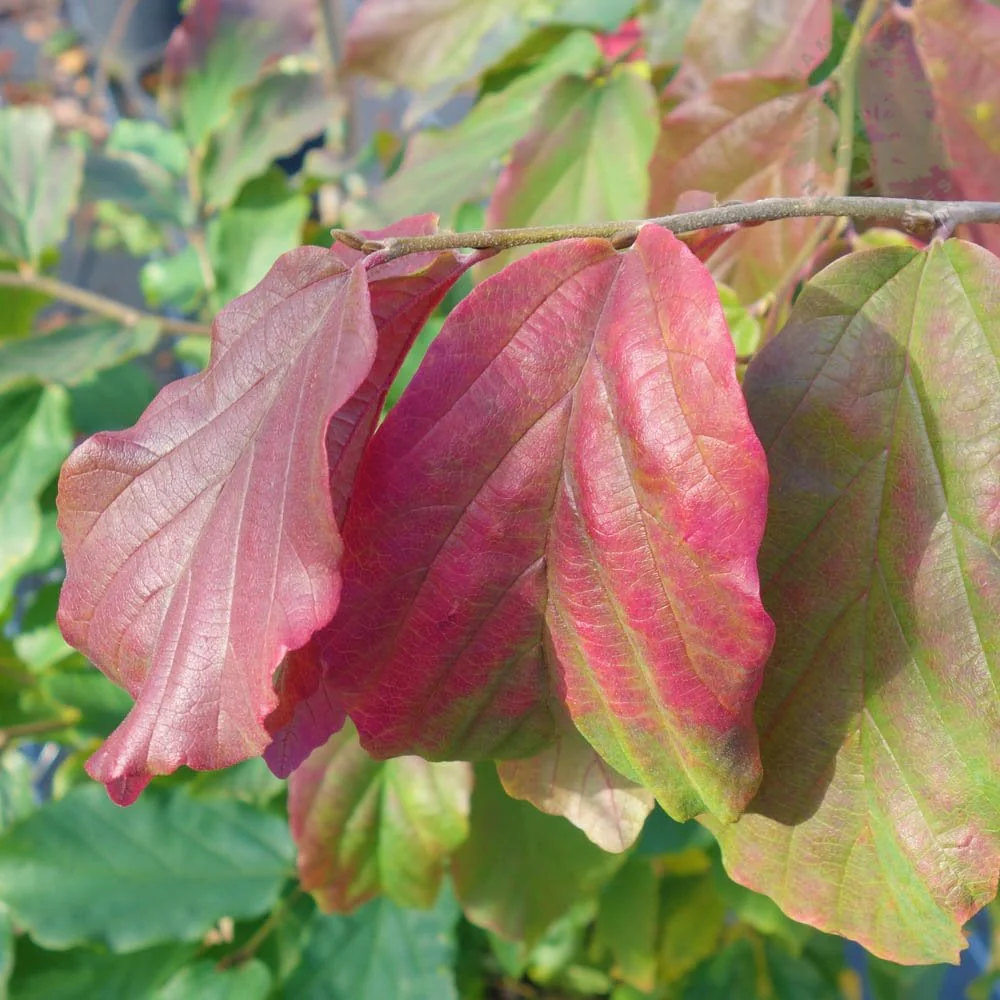
Incredible autumn colour makes Parrotia persica a favourite with our staff! Large glossy, deeply veined mid-green foliage turn vibrant shades of yellow, orange, red and purple in autumn for a magnificent kaleidoscopic display. Holding its leaves for a long time, the autumn display is often extended for several weeks.
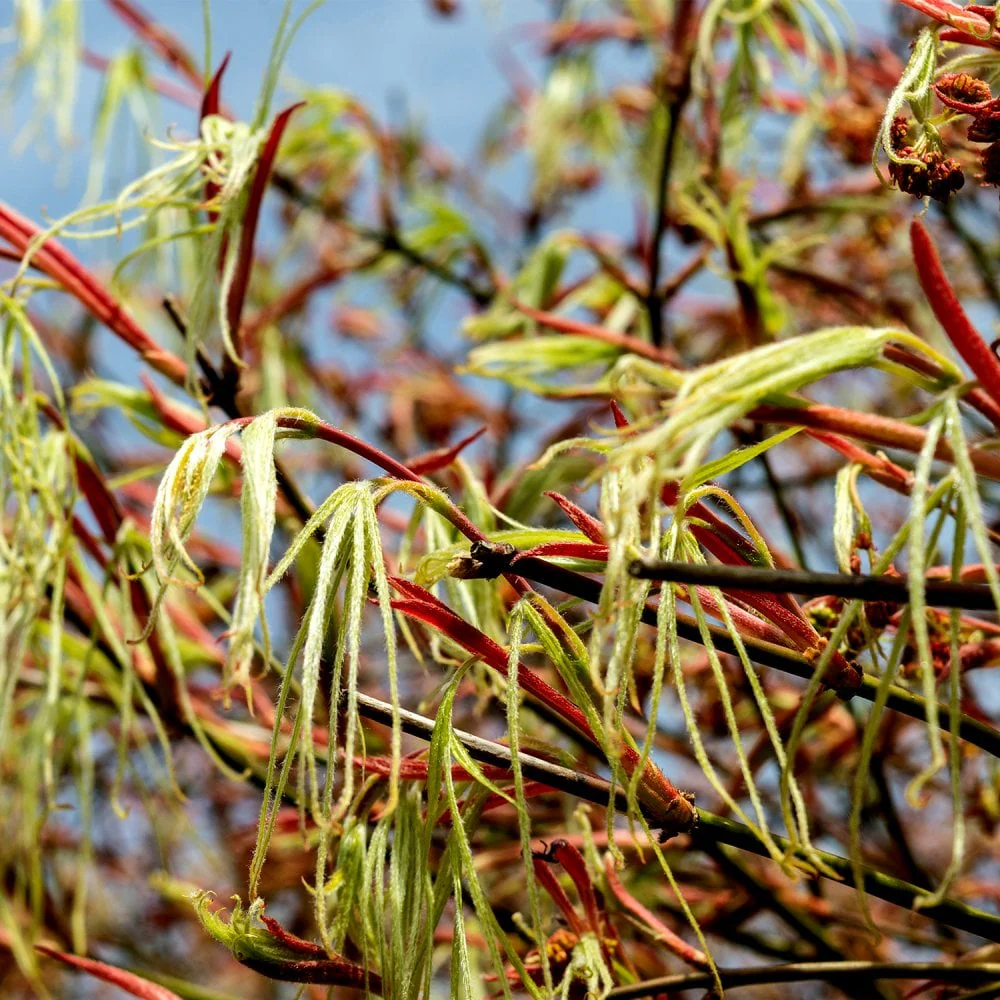
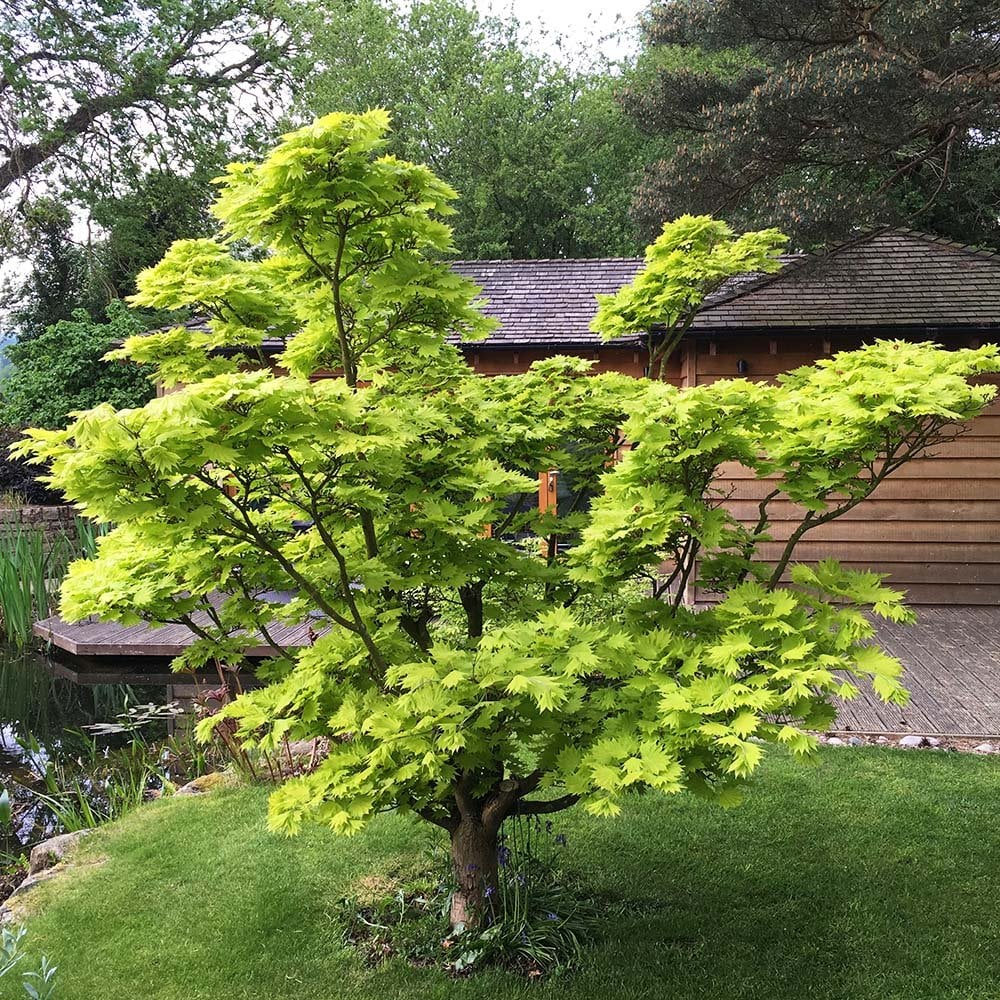
This stunning show is followed by clusters of witch hazel-like ruby-red flowers on bare branches from February-March that will still look fresh after a heavy coating of snow. The flowers are actually petal-less and what you see is the red stamens. The bark is silvery grey and as the tree reaches maturity it flakes, revealing shades of pink, green and yellow young bark. This beautiful short trunked, spreading tree will grow to 6 x 4 metres in 20 years and has almost horizontal branches.
Parrotia persica is a spectacular specimen tree named after the German naturalist Friedrich Parrot. Commonly called Persian Ironwood, this tree originates from Iran and belongs to the genus Hamamelidaceeae, related to Hamamelis (Witch Hazel). Tolerant of almost any conditions apart from drought, it copes with exposed positions, sun to light shade and acid to alkaline soil. Persian Ironwood will do best in a moist well drained soil, with an acidic pH giving the best autumn colour.
Original: $100.65
-65%$100.65
$35.23More Images

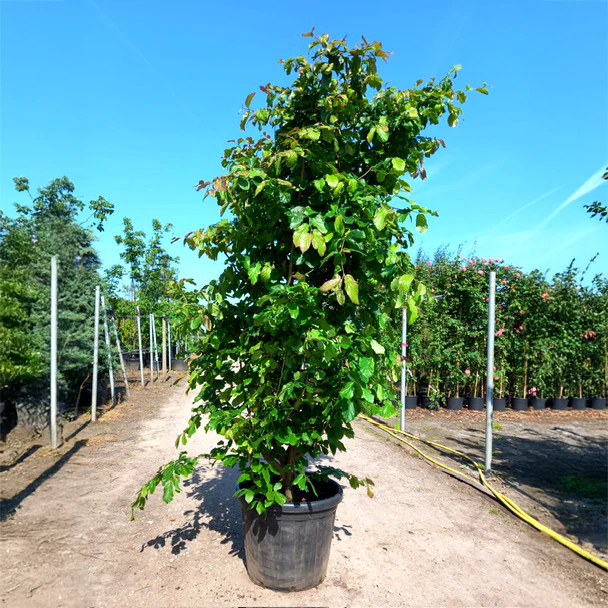
Parrotia persica Tree
Incredible autumn colour makes Parrotia persica a favourite with our staff! Large glossy, deeply veined mid-green foliage turn vibrant shades of yellow, orange, red and purple in autumn for a magnificent kaleidoscopic display. Holding its leaves for a long time, the autumn display is often extended for several weeks.
This stunning show is followed by clusters of witch hazel-like ruby-red flowers on bare branches from February-March that will still look fresh after a heavy coating of snow. The flowers are actually petal-less and what you see is the red stamens. The bark is silvery grey and as the tree reaches maturity it flakes, revealing shades of pink, green and yellow young bark. This beautiful short trunked, spreading tree will grow to 6 x 4 metres in 20 years and has almost horizontal branches.
Parrotia persica is a spectacular specimen tree named after the German naturalist Friedrich Parrot. Commonly called Persian Ironwood, this tree originates from Iran and belongs to the genus Hamamelidaceeae, related to Hamamelis (Witch Hazel). Tolerant of almost any conditions apart from drought, it copes with exposed positions, sun to light shade and acid to alkaline soil. Persian Ironwood will do best in a moist well drained soil, with an acidic pH giving the best autumn colour.
Product Information
Product Information
Shipping & Returns
Shipping & Returns
Description
Incredible autumn colour makes Parrotia persica a favourite with our staff! Large glossy, deeply veined mid-green foliage turn vibrant shades of yellow, orange, red and purple in autumn for a magnificent kaleidoscopic display. Holding its leaves for a long time, the autumn display is often extended for several weeks.
This stunning show is followed by clusters of witch hazel-like ruby-red flowers on bare branches from February-March that will still look fresh after a heavy coating of snow. The flowers are actually petal-less and what you see is the red stamens. The bark is silvery grey and as the tree reaches maturity it flakes, revealing shades of pink, green and yellow young bark. This beautiful short trunked, spreading tree will grow to 6 x 4 metres in 20 years and has almost horizontal branches.
Parrotia persica is a spectacular specimen tree named after the German naturalist Friedrich Parrot. Commonly called Persian Ironwood, this tree originates from Iran and belongs to the genus Hamamelidaceeae, related to Hamamelis (Witch Hazel). Tolerant of almost any conditions apart from drought, it copes with exposed positions, sun to light shade and acid to alkaline soil. Persian Ironwood will do best in a moist well drained soil, with an acidic pH giving the best autumn colour.